
Hypnotherapy for Fear of Animals
Fear of animals can have effects much greater than the one moment of discomfort. For some people it determines where they go, what routes they take, what social activities to avoid and how comfortable they feel in everyday spaces.
Animal phobias are among the most prevalent specific phobias. From the outside, the fear may seem irrational, but the emotional response is often very real. The nervous system behaves as if there is a threat when the threat is objectively not there.
Hypnotherapy for fear of animals targets the subconscious behavioural patterns that contribute to these reactions. The goal is not to get people to merely suppress fear, but rather to assist them in changing the way they perceive and emotionally process animal-related situations.
Hypnotherapy may be helpful in lessening the strength of conditioned fear responses and in building confidence in everyday situations whether the concern is dogs, spiders, birds, insects or animals in general.
Relaxed and in control around animals again
Animal phobias tend to be self-perpetuating.
Avoiding animals may help in the short term, but it can reinforce the brain’s belief that the situation was dangerous to begin with. Over time, this cycle can make the fear more entrenched and make you more sensitive to animal-related triggers.
Hypnotherapy is meant to stop this cycle.
Sessions work with emotional memory, threat perception and subconscious behavioural responses, to support new patterns of safety learning and emotional regulation.
Many clients aren’t trying to be animal lovers. They just want to be able to walk through a park or visit friends who have pets or be outside without being on constant alert or anxiety.

What is Behind a Fear of Animals?
Previous Adverse or Traumatic Experiences with Animals
A traumatic experience can cause a conditioned fear response. If a person is chased, bitten, startled or feels trapped around an animal, the brain may link similar situations to danger in the future.
Even years later, seemingly innocuous encounters can trigger automatic emotional and physical responses.
Acquired Fear From Childhood/Environment
Fear reactions can also be learned secondhand.
Kids learn emotional cues from parents, other family members, media or repeated warnings. Over time, these messages can lead to subconscious beliefs that certain animals are dangerous or unpredictable.
Increased Anxiety and Sensitivity to Movement or Noise
People who have higher levels of anxiety at baseline may be especially sensitive to sudden movements, unanticipated sounds, or behaviour that cannot be predicted.
Such an increased threat perception may lead to a higher probability of developing and sustaining fears of animals.
Fear Generalisation in Different Animals
This is known as stimulus generalisation in behaviourist psychology.
For example, a negative experience with one dog may slowly generalise to all dogs, then to bigger animals, and then to animals in general. The initial fear becomes associated with more and more situations and settings.
Practical Guide to Phobias of Animals
Hypnotherapy is different than just trying to force confidence or suppress fear.
Sessions cover understanding the subconscious processes contributing to anxiety responses and avoidance behaviours.
Treatment can include:
- Relaxation guided techniques
- Visualisation and mental rehearsal
- Cognitive restructuring .
- Emotion regulation strategies
- Subconscious Patterning
- Confidence exercises
The goal is to retrain the brain to have other responses to animal triggers.
With the passage of time, what was once a stressful situation may become more manageable because the emotional meaning of the event has changed.

Darren Marks – Your Professional Hypnotherapist

Darren Marks is a qualified professional hypnotherapist with more than 20 years’ experience in helping clients with anxiety, phobias, confidence issues and behavioural problems.
Darren, who is based in London, works with clients in the UK and around the world, and offers hypnotherapy in person and online.
Darren has been featured in The Wall Street Journal, Daily Mail, Sky, BBC Radio, Channel 4, Discovery Channel and Therapy Today and uses evidence-informed hypnotherapy techniques with practical real-world application.
His work is about helping clients to become aware of and change the subconscious patterns of behaviour that lead to unwanted emotional responses.
Kinds of Animal Fears Hypnotherapy Can Assist With
Cynophobia (Fear of dogs)
Dog phobia is one of the most common animal phobias.
For some it is derived from a certain experience. For others, it is slow to develop through learned associations and avoidance patterns.
Hypnosis for fear of dogs could assist with the emotional responses that accompany situations with dogs, while encouraging confidence and emotional control.
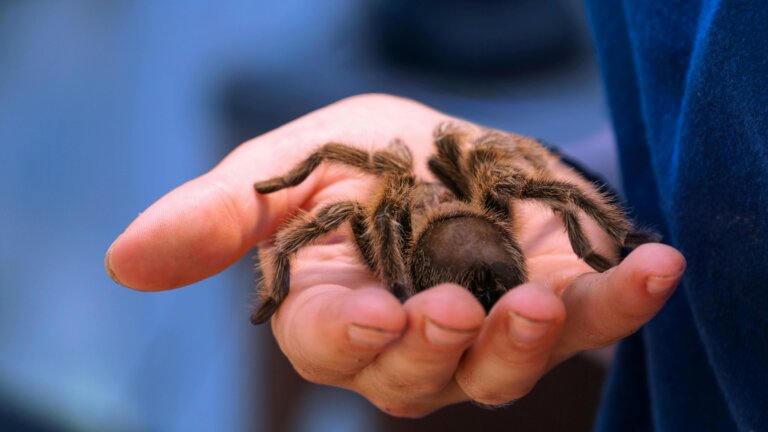
Arachnophobia (Fear of Spiders)
Arachnophobia is usually characterised by an exaggerated threat and an exaggerated danger evaluation.
Hypnotherapy diminishes the intensity of these automatic responses and stimulates more balanced responses.
Fear of Bugs or Small Animals
Strong fear associations can lead to substantial anxiety even with harmless insects.
Sessions may include reducing hyper vigilance and helping clients respond differently to triggering situations.
A Fear of Cats, Birds or Other Animals
The treatment principles are similar for one animal in particular or for many types of animals; understanding the emotional response and creating alternative patterns of behaviour and interpretation.
Kinds of Animal Fears Hypnotherapy Can Assist With
Avoidance of outdoor spaces or some environments
Shunning parks or gardens
Fewer social invitations involving pets
Adjusting your daily habits to prevent possible interactions
Physical reactions such as panic, sweating or tension
Raised heart rate
Muscle tightness
Breathing shallow.
Activation of the nervous system
Overanalysing and Expectation Worry
Always on the look-out for possible dangers
Disastrous thinking
Over analysing prior to anticipated events
Loss of Confidence in Daily Situations
Lowered independence
Hesitation in places once familiar
Fear as a way to avoid normal activities

Animal phobia: Causes and Treatment Strategy
| Common Animal Fear | How Hypnotherapy May Help |
|---|---|
| Phobia of dogs | Addresses learned threat associations and supports gradual confidence building around dog-related situations. |
| Spider phobia | Works with conditioned fear responses and heightened threat perception. |
| Ornithophobia (fear of birds) | Reduces hypervigilance related to sudden movement and unpredictability. |
| Insect phobia | Supports emotion regulation in response to triggers. |
| General fear of animals (zoophobia) | Looks at broader subconscious connections that fuel avoidance behaviours. |
| Fear based on a previous experience | Works with emotional memories and learned responses from previous encounters. |
What to Expect During a Hypnotherapy Session

Sessions are customised to the individual and their unique experience.
A typical session might include:
- Discuss animal-related fears and triggers
- Recognition of avoidance strategies
- Directed hypnosis exercises
- Mental rehearsal methods
- Strategies for regulating emotions
- Confidence-building measures
The clients are conscious and in control throughout the whole process.”
Change is often slow and progress is individual as new emotional and behaviour patterns are reinforced.
Who Can Benefit from Animal Phobia Hypnotherapy
This approach may be appropriate for:
- People with a long-standing fear of animals
- Those who developed their phobia after a specific experience
- People who avoid activities out of animal-related anxiety
- Those looking for a systematic professional approach to phobia management
Sessions are available in London in person and online worldwide.
Testimonials
Why Darren Marks for Animal Phobia Hypnotherapy
Techniques Developed for Long Term Change
A systematic approach based on subconscious behaviour patterns, emotional regulation and confidence building.
Available Online & In-Person in London
Flexible choices designed to bring support to you, wherever you are.
A Structured Step-by-Step Approach to Build Confidence
Clear treatment goals Practical techniques Personalised pace of progress.
Begin Your Path to a More Confident You
In animal phobias, the danger that the animal poses is usually less important than learned emotional responses.
Hypnotherapy can help to create a different relationship with situations that previously felt overwhelming, by working with subconscious behavioural patterns, conditioned fear responses and avoidance cycles.
The objective isn’t to eliminate all uncomfortable feelings. It is to create more confidence, flexibility and freedom in everyday life
You can do this—and you don’t have to do it alone.
Supporting Research and Evidence
Research into specific phobias highlights the importance of addressing conditioned fear responses, avoidance behaviours, and emotional learning processes.
Hypnosis has been explored as a complementary approach for anxiety management, emotional regulation, and behavioural change. Studies suggest that hypnotic interventions may help reduce anxiety-related responses while supporting coping skills and resilience.
References:
https://www.ncbi.nlm.nih.gov/pmc/articles/PMC5477290/